Picture this: you’re sitting at a table with friends, laughing, passing around dishes, and maybe arguing (in a good way) about who gets the last piece of roasted sweet potato. Compare that to grabbing a protein bar while scrolling TikTok or eating ramen in front of your laptop at midnight. Both technically count as eating, but they don’t feel the same, do they?
October is Eat Better, Eat Together Month, and it’s the perfect reminder that food isn’t just fuel, it’s a connection, a ritual, and even medicine. For Gen Z and Millennials especially, who are juggling busy schedules, side hustles, and the constant pull of screens, eating together can be one of the simplest (and most enjoyable) ways to improve overall health.
Let’s dive into why sharing meals matters, and how you can make it part of your lifestyle without adding stress.
Why Eating Together Boosts Well-Being
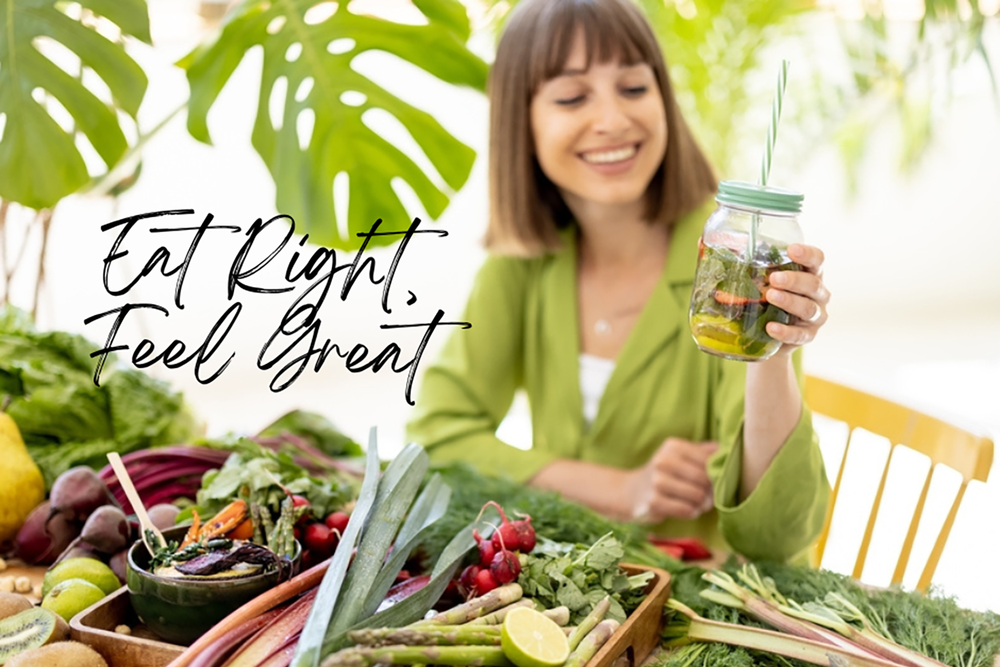
- Better Nutrition, Naturally When people eat together, they tend to eat better. Research shows that shared meals often include more fruits, vegetables, whole grains, and balanced portions compared to eating alone. Think about it: when you’re with friends or family, you’re more likely to cook something real instead of defaulting to chips or fast food. The Eat Right, Feel Great Nutrition Program is the perfect vehicle to improve your knowledge. Share it with friends and family.
- Mindful Eating (Without the Apps) Eating with others encourages you to slow down. Instead of inhaling a burrito in five minutes, you’re talking, listening, and pausing between bites. That means your body has time to register fullness, digestion improves, and meals feel more satisfying.
- Stress Reduction Shared meals are built-in stress relievers. Whether it’s brunch with friends or a casual dinner with roommates, conversation and laughter help lower cortisol (the stress hormone). That’s why family dinners or regular friend “food nights” can become an anchor in a busy, unpredictable week.
- Stronger Relationships Humans are wired for connection, and food has always been part of that. When you share a meal, you’re building bonds, creating memories, and strengthening your support system. And mental health benefits? Huge. Loneliness has been linked to higher rates of depression and anxiety, so consider eating together a part of your self-care routine.
Tips for Making Shared Meals Work
Okay, so maybe you’re not sitting down to a full family dinner every night. That’s fine. Eating together doesn’t have to look like a 1950s sitcom. Here are some realistic ways to bring it into your life:
- Start Small Plan one meal a week with friends, roommates, or family. It could be Sunday brunch, Taco Tuesday, or even a standing coffee-and-breakfast meetup. Consistency matters more than formality.
- Keep It Simple No need to cook a three-course dinner. Think one-pot meals, sheet-pan dinners, or build-your-own bowls. When everyone contributes—bringing toppings, sides, or drinks—it’s easier and more fun.
- Mix It Up Shared meals don’t have to be at home. Picnic in the park, food truck meetups, or even grabbing takeout and sitting outside together all count. The key is togetherness, not perfection.
- Tech-Free Table Try making meals a no-scroll zone. Even just 20–30 minutes without phones can make the experience more grounding and help you connect with the people around you.
- Virtual Counts, Too Can’t be in the same space? Have friends and family far away? Set up a virtual dinner date. Order the same food from different places or cook the same recipe while on a video call, such as FaceTime. It might sound quirky, but it still gives you the connection boost.
A Challenge for Eat Better, Eat Together Month
Since October is all about eating better, together, here’s a simple challenge:
Commit to at least four shared meals this month.
Whether it’s with friends, family, coworkers, or neighbors, see how those meals make you feel. Notice if your stress dips, if you feel more grounded, or even if your food choices improve. Chances are, you’ll notice the difference. Share this article with friends you’d like to connect with and then set the date. Get your group to try the Eat Right, Feel Great Nutrition Program. You can learn and share tips each time you meet.
Eating together is one of those habits that looks small but pays off big. It’s not just about food, it’s about connection, health, and balance. So, as you head into October, think less about complicated meal plans and more about pulling up a chair with the people who matter. Because when it comes to wellness, sometimes the best recipe is simple: good food + good company.
These statements have not been evaluated by the Food and Drug Administration. Innate Wellness products are not intended to diagnose, treat, cure, or prevent any disease or medical condition. This article is general information, not medical advice — consult your healthcare provider before starting any new wellness routine, especially if you are pregnant or have epilepsy, a bleeding disorder, a pacemaker, or other electronic implants.