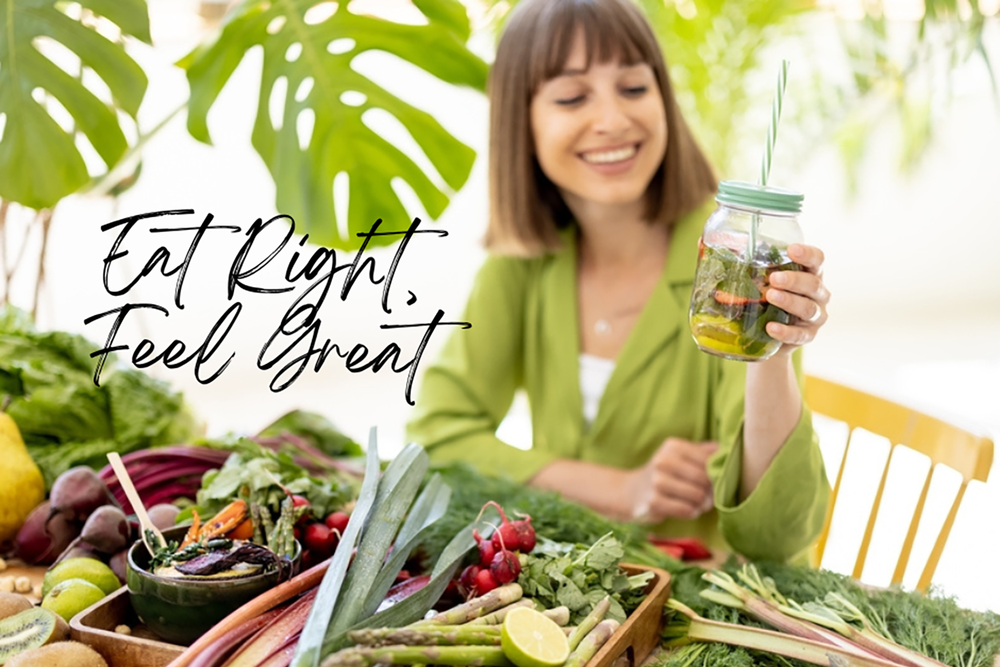
Picture this: You wake up tired even though you slept eight hours. You grab a coffee and maybe a breakfast sandwich on the go. By mid-morning, you feel drained, your focus slips, and you’re counting the hours until lunch. For many people, this is just a “normal” day. But what if that foggy, sluggish feeling isn’t normal at all? What if it’s a sign that your body isn’t getting the fuel it needs?
Younger generations today are more interested in wellness than ever before. Nearly 30 percent of Gen Z and millennials say they care “a lot more” about their health and well-being than they did just a year ago. That’s a bigger jump than we see in older generations.
The reason might be that younger people are feeling more burned out, dealing with more stress, and seeing more health-related content on social media than anyone else.
But here’s the challenge: While there’s endless health information out there, not all of it is reliable. Quick-fix diets, extreme trends, and flashy “miracle” products often obscure the simple truth: real wellness begins with understanding nutrition.
Why Nutrition Is the Foundation of Wellness
Nutrition isn’t just about eating less sugar or getting enough protein. It’s about giving your body the vitamins, minerals, and nutrients it needs, so every system can work the way it’s supposed to. Think of your body like a smartphone. If you don’t charge it, update the software, and keep it safe from damage, it won’t run well.
Food is your body’s power source, repair kit, and upgrade all in one.
When you eat nutrient-rich foods, like fresh fruits and vegetables, whole grains, healthy fats, and quality proteins, you’re not just avoiding illness. You’re building energy, focus, mood balance, and long-term health. Without good nutrition, it’s like trying to run your phone on one percent battery all day.
How Social Media Shapes Our Health Choices
Social media has a huge influence on how younger people view wellness. It’s easy to scroll past quick videos showing the “perfect” smoothie, a complicated meal-prep routine, or a celebrity promoting a new diet. While some of these tips can be helpful, many are designed to sell products rather than truly teach healthy habits.
That’s why learning the basics of nutrition is so important. Once you know what your body needs, you can filter out the noise and make choices that actually help you feel better. It’s the difference between blindly following the latest trend and understanding why something works for your health.
Building Healthy Habits Early
One of the biggest advantages of learning about nutrition when you’re young is that it sets the stage for a healthier future. Habits you build now, like cooking simple, balanced meals or reading food labels, can prevent health problems years down the road.
For example, starting your day with a balanced breakfast that includes protein, fiber, and healthy fats can keep your energy steady until lunch. Drinking enough water instead of sugary drinks can improve focus and skin health. Even small changes, such as swapping processed snacks for fruit or nuts, add up over time.
The key is to make these changes realistic. You don’t have to eat perfectly all the time. The goal is to understand what your body needs and give it the best possible fuel most of the time.
Nutrition as Self-Care
Many people think of self-care as spa days, vacations, or treating themselves to something special. But true self-care starts with how you treat your body every single day. Food affects your mood, your energy, your focus, and your ability to handle stress. Choosing foods that nourish you is one of the most powerful forms of self-care you can practice.
Unfortunately, most younger generations were not taught accurate nutrition facts growing up. The solution: The Eat Well, Feel Great Nutrition Program. This program provides the true facts about nutrition and educates you on exactly how and what to eat to achieve your wellness goals. And the first two lessons are free, so there is no risk at all.
Without solid nutrition knowledge, it’s easy to fall into the trap of trends that don’t really support health. By focusing on learning what your body needs and why, you’re investing in more than just looking good; you’re building a foundation for a lifetime of energy, resilience, and well-being.
Your health isn’t just about avoiding sickness. It’s about having the strength to do the things you love, the focus to chase your goals, and the energy to enjoy life. And that starts with what you put on your plate.
Author Bio:
Dr. Brad Kristiansen, a chiropractor and nutritionist, has helped thousands of patients achieve health and wellness through personalized nutrition programs.
These statements have not been evaluated by the Food and Drug Administration. Innate Wellness products are not intended to diagnose, treat, cure, or prevent any disease or medical condition. This article is general information, not medical advice — consult your healthcare provider before starting any new wellness routine, especially if you are pregnant or have epilepsy, a bleeding disorder, a pacemaker, or other electronic implants.